

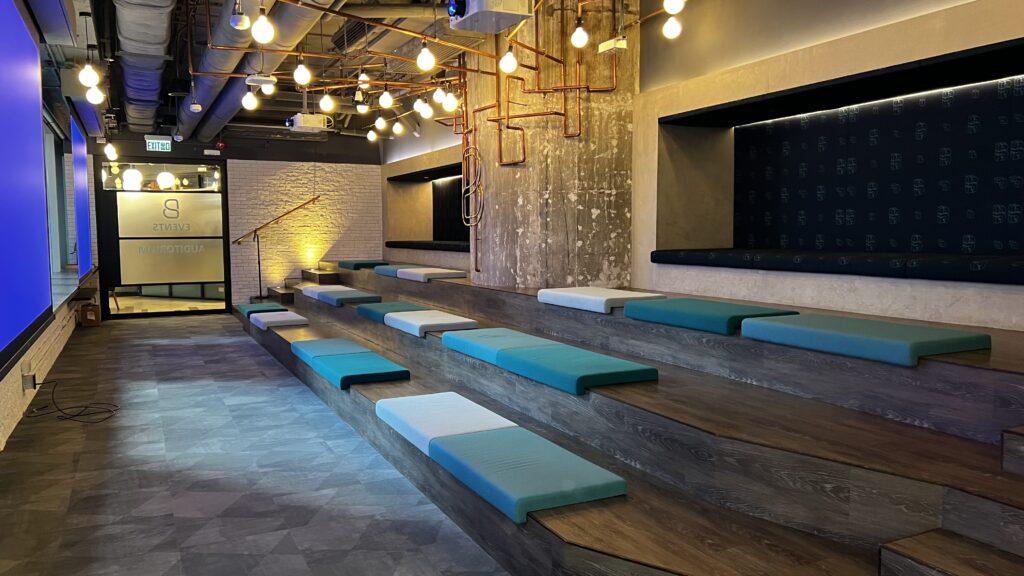
Every venue in this city is listed somewhere. Being on a platform is no longer a differentiator; it is the cost of entry. What separates the spaces that get booked from the ones that get browsed is whether a planner can picture their event happening in your room before they have set foot in it.
The shortlist happens before you hear from anyone
By the time a venue receives an inquiry, it has usually already survived two rounds of elimination. The planner has searched, scanned, and cut a list of fifteen down to three — and they did all of it without speaking to anybody. Everything that decides the outcome happens in material you published months earlier.
Which means the useful question is not how many people saw your listing. It is whether the listing answered the questions that get a venue cut: capacity in the configuration they need, whether the room has natural light, what happens if it rains, how catering works, and what it costs to hold a date.
Specificity is what converts
The listings that perform read less like brochures and more like answers. Not "an elegant space for memorable occasions" but "seats 120 for a seated dinner, 200 standing, with a separate entrance and a load-in door on the ground floor." The first describes an aspiration. The second lets a planner tick a requirement off a list.
This is also why photography of an empty room underperforms. Planners are not buying the room; they are buying the event that will happen in it. Images of the space configured — set for a dinner, a conference, a party — do the imaginative work for them.
Editorial context does something a directory cannot
A directory entry answers a query. An article answers a question the planner has not thought to ask yet: what makes this space unusual, who has used it well, what it is genuinely best at. That framing arrives before the comparison stage, which is the only point at which a venue can shape the criteria rather than compete on them.
It also travels. A feature gets forwarded internally, quoted in a proposal, and — increasingly — summarised by an AI assistant answering someone else's question. A row in a database does none of that.
What to do about it
- List each room separately, not the property as a whole — planners search by capacity and configuration, not by brand.
- Photograph rooms set up for real events, in at least two configurations.
- Publish the numbers that get you cut: capacity by layout, ceiling height, load-in access, minimum spend.
- Get written about, not just listed. One good feature outlives a year of placements.
- Answer the awkward questions in your own copy. The venues that do get fewer, better inquiries.
None of this is expensive. It is mostly a matter of writing down what your sales team already says on the phone twenty times a week, and putting it where the shortlist is actually being made.
Want this applied to your venue or brand?
Talk to the team